21 September 2026
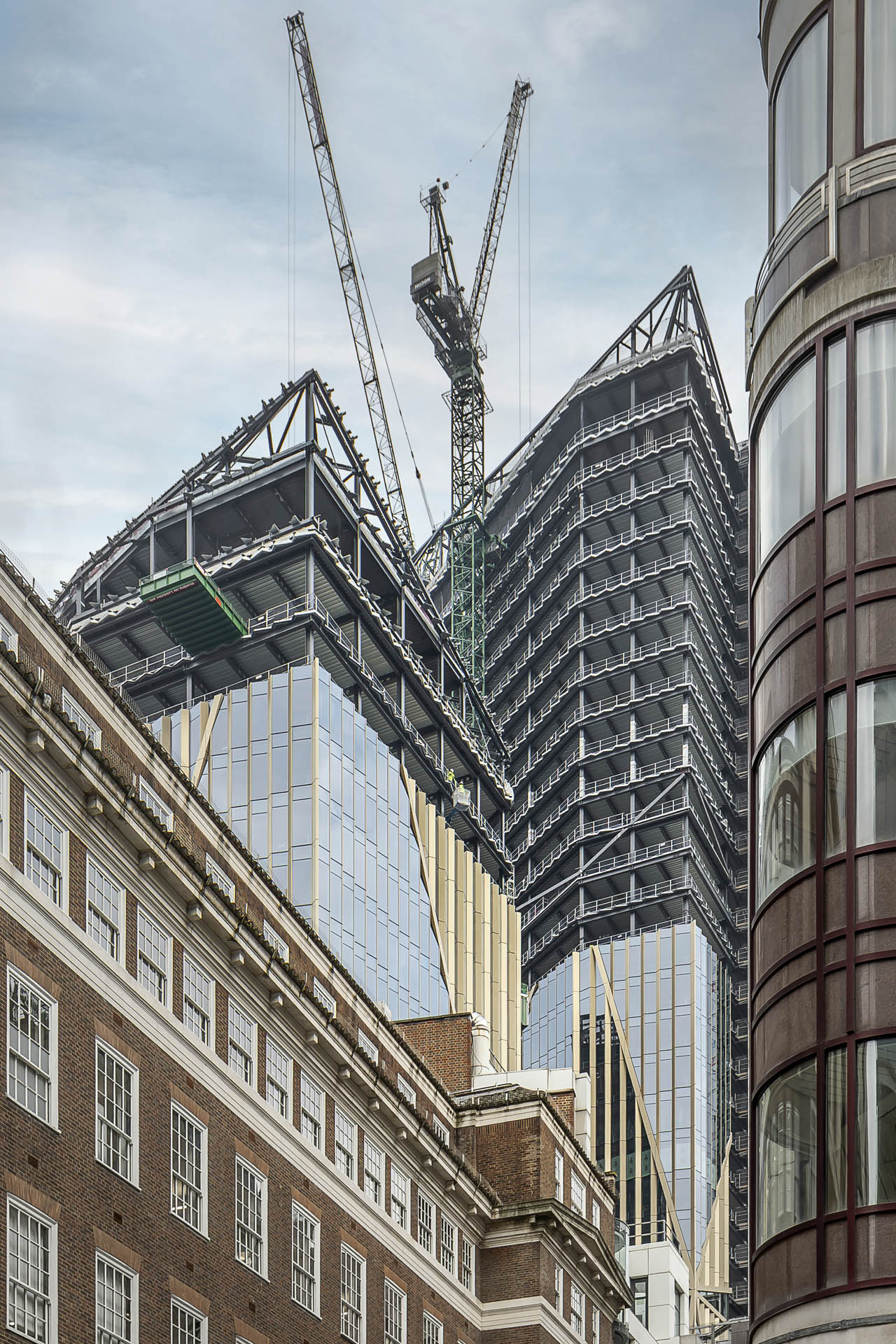
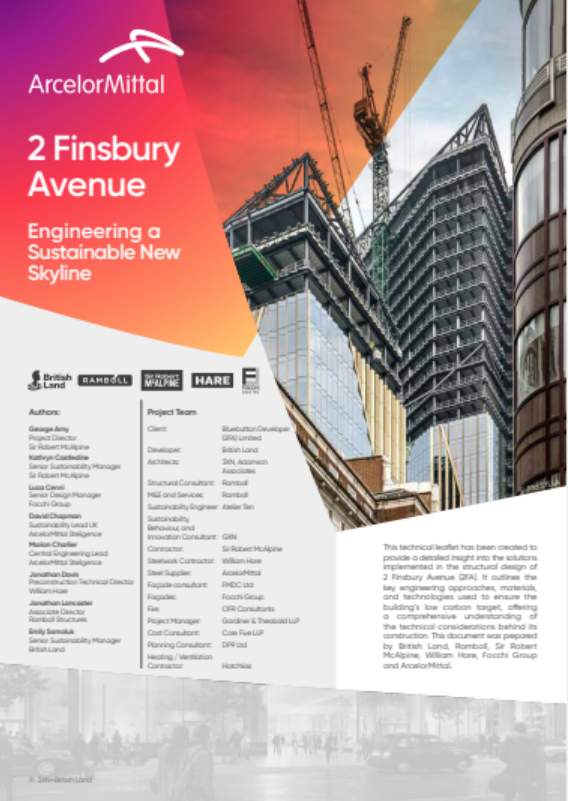
Rising above London's Broadgate district, 2 Finsbury Avenue (2FA) is set to become one of the most sustainable high-rise office developments in the City of London. Designed as a "Tower Like No Other", the 38-storey landmark brings together leading experts from across the construction industry to demonstrate how collaboration can accelerate the transition to lower-carbon buildings.
The project is being developed by British Land, with architectural design led by 3XN and Adamson Associates. Engineering consultancy Ramboll, main contractor Sir Robert McAlpine, steelwork specialist William Hare, façade contractor Focchi Group, and sustainability experts including Atelier Ten and GXN have all played key roles in bringing the ambitious vision to life.
From the earliest design stages, the project team challenged conventional approaches to reduce the building's environmental footprint while maintaining the functionality and quality expected from a world-class office tower. The result is a building that combines architectural excellence, material efficiency and circular economy principles. Key highlights include the optimised structural grid and the use of hot rolled sections in high-strength steel instead of built-up welded sections.
For ArcelorMittal, the project highlights the growing role steel can play in sustainable construction. Through its ArcelorMittal Steligence® team, the company worked closely with project partners to identify opportunities to reduce embodied carbon and optimise material selection. Experts from Steligence® contributed engineering and sustainability expertise throughout the project, supporting the delivery team's carbon reduction ambitions.
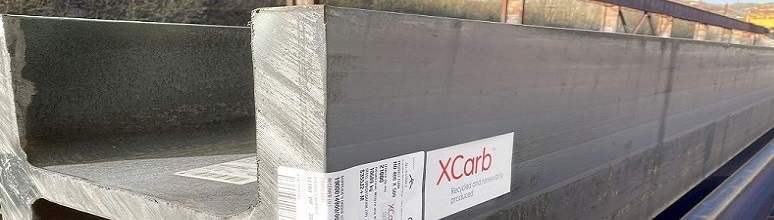
A major contribution came through the supply of XCarb® recycled and renewably produced steel. Produced using recycled scrap and renewable electricity, XCarb® recycled and renewably produced steel enabled significant reductions in the embodied carbon associated with the building's steel structure. Extensive collaboration between all parties ensured the successful integration of these lower carbon-emissions steel solutions at scale. ArcelorMittal Europe – Long Products estimates that XCarb® recycled and renewably produced steel can have a CO2 footprint as low as 333kg per tonne of finished sections when the metallics are 100% scrap. This is significantly lower than the average for the global steel industry which is around 2.3 tonnes of CO2 emissions per tonne of steel products. For Flat Products, Magnelis® made of XCarb® recycled and renewably produced steel has a carbon footprint of 900 kg CO₂e per tonne, 65% lower than the same product made with the conventional blast furnace route.
The project also embraced circular construction practices, including the recovery and reuse of structural steel from the buildings previously occupying the site. This approach demonstrates how innovation, responsible sourcing and material reuse can work together to reduce the environmental impact of major developments.
As construction progresses, 2 Finsbury Avenue stands as a powerful example of what can be achieved when developers, architects, engineers, contractors and material suppliers share a common goal. More than just a new addition to London's skyline, it is a showcase for the future of sustainable construction and the value of strong partnerships in driving meaningful progress.